Dagenham Dock carpet cleaning and stain removal for Creekmouth
If you live or work around Creekmouth and Dagenham Dock, you already know carpets take a bit of a battering. Mud from the pavement, drink spills after a busy day, pet mess, workshop dust, office footfall, all of it settles in fast. That is why Dagenham Dock carpet cleaning and stain removal for Creekmouth is less about "making things look nice" and more about protecting the space you use every day.
Done properly, carpet cleaning lifts grit from deep in the pile, helps remove stubborn marks, and reduces that dull, tired look that sneaks up on even decent flooring. This guide explains how the process works, which stains need quick action, what methods suit different carpets, and when it makes sense to bring in professional help. Nothing fancy, just proper practical advice you can use.
For readers comparing services, it can also help to understand the wider care options available, such as professional carpet cleaning, specialist stain removal, and extra support for homes with pets through pet stain and odour removal.
Table of Contents
- Why Dagenham Dock carpet cleaning and stain removal for Creekmouth Matters
- How Dagenham Dock carpet cleaning and stain removal for Creekmouth Works
- Key Benefits and Practical Advantages
- Who This Is For and When It Makes Sense
- Step-by-Step Guidance
- Expert Tips for Better Results
- Common Mistakes to Avoid
- Tools, Resources and Recommendations
- Law, Compliance, Standards, or Best Practice
- Options, Methods, or Comparison Table
- Case Study or Real-World Example
- Practical Checklist
- Conclusion
- Frequently Asked Questions
Why Dagenham Dock carpet cleaning and stain removal for Creekmouth Matters
Carpets do a lot of quiet work. They soften a room, reduce noise, and make a property feel warmer. But they also hold onto soil, dust, pollen, sand, food residue, grease, and spilled drinks. In a place like Creekmouth, where movement between homes, warehouses, offices, and transport routes can be constant, that build-up happens faster than people expect.
The trouble is, dirt is not only cosmetic. Fine grit acts like sandpaper underfoot. It flattens carpet fibres, makes traffic lanes look darker, and can shorten the life of the carpet if it is left too long. Stains behave the same way. Some sit on the surface. Others sink in, oxidise, or bind to the fibre. The longer you wait, the harder they are to shift. Truth be told, some marks are easy only for the first ten minutes.
There is also a hygiene angle. Spills from food, pets, and moisture trapped under furniture can leave odours behind, especially in rooms that do not get much airflow. That stale smell many people notice on a damp morning? Often the carpet is part of the story.
Expert summary: The best carpet care in Creekmouth is usually a mix of quick spill response, sensible routine maintenance, and periodic deep cleaning. That combination does more than make carpets look better; it helps them last longer and smell fresher too.
Homes are not the only places that benefit. Small offices, waiting areas, rental properties, and light commercial spaces can all see cleaner presentation and less wear when carpets are maintained properly. If that applies to you, it is worth looking at commercial carpet cleaning as well as domestic treatment.
How Dagenham Dock carpet cleaning and stain removal for Creekmouth Works
Most professional carpet cleaning starts with inspection. The cleaner identifies the fibre type, checks the carpet backing where possible, looks for old repairs or hidden damage, and tests likely stain sources. That part matters more than people think. Wool, synthetic blends, and delicate rugs can all react differently to moisture, heat, and cleaning chemistry.
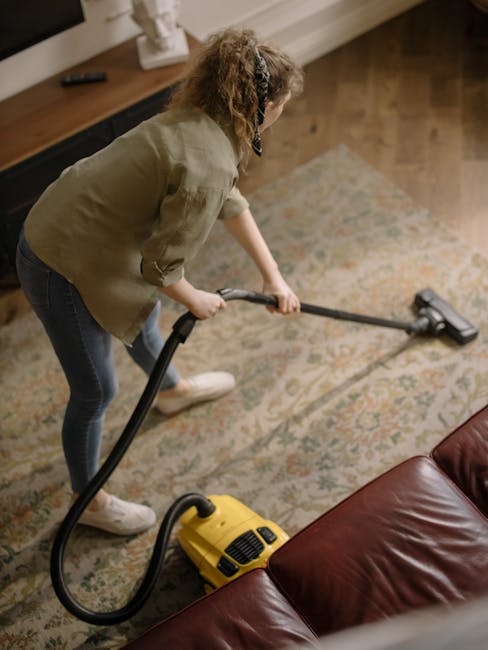
Next comes dry soil removal. This usually means thorough vacuuming and, where needed, agitation to loosen embedded debris. Skipping this step is a bit like washing a muddy coat without shaking it first. You can do it, sure, but the results tend to be patchy.
After that, targeted stain treatment begins. Grease, tea, coffee, wine, pet accidents, ink, make-up, and tracked-in dirt all need different approaches. A proper stain treatment does not just scrub at the mark. It breaks down the bond between stain and fibre, then extracts the residue without spreading it deeper.
Finally, the carpet is cleaned using the most suitable method. Many properties benefit from steam carpet cleaning, which uses heated water extraction to flush out soil and residues. In some cases, low-moisture methods are better, especially if the carpet is sensitive, the room needs to return to use quickly, or the pile is prone to over-wetting.
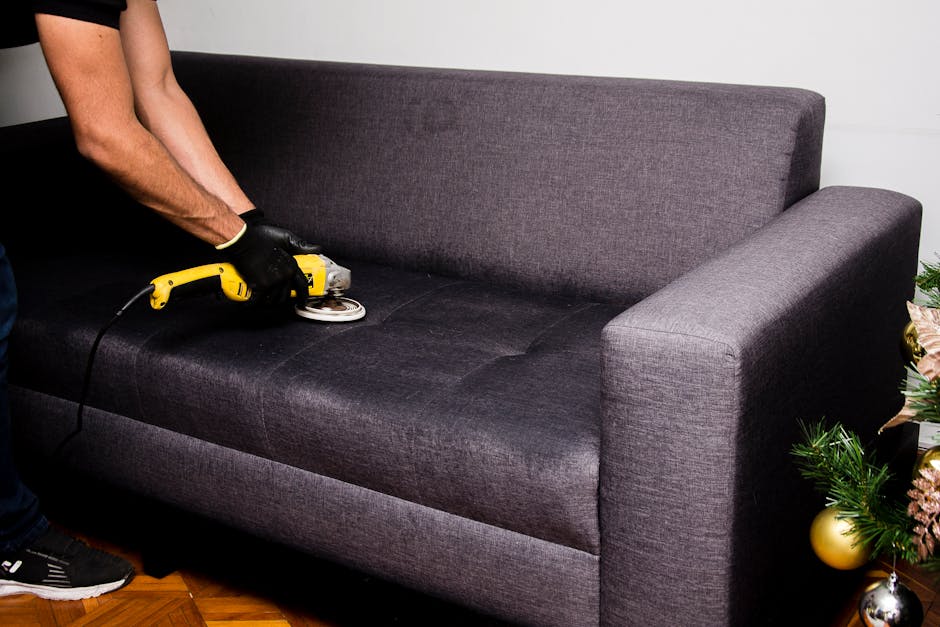
If you have upholstery or soft furnishings alongside the carpet issue, the job can sometimes be coordinated with upholstery cleaning or sofa cleaning. That gives a more even result across the room. Nobody wants a spotless carpet sitting under a grubby armchair. It looks slightly odd, to be fair.
Key Benefits and Practical Advantages
The obvious benefit is a cleaner-looking carpet. But the real value goes beyond appearance. Here is what good carpet cleaning can deliver in Creekmouth properties:
- Better appearance: traffic lanes lighten, colours look more even, and fibres regain some of their original texture.
- Improved odour control: spills, pet residues, and old moisture can be reduced instead of masked.
- Longer carpet life: removing sharp grit and residue helps reduce premature wear.
- Healthier-feeling rooms: while cleaning is not a medical treatment, it can reduce the amount of visible and hidden grime in living spaces.
- Better first impressions: especially useful for rentals, offices, shops, and shared areas.
- More predictable maintenance: once a carpet is cleaned properly, future spot cleaning becomes easier.
There is a practical benefit many people overlook: once the carpet is fully clean, you can actually judge whether a stain is permanent. That sounds bleak, but it is useful. Some marks are not dirt at all; they are dye damage, fibre burns, or chemical reactions. Knowing the difference helps you stop chasing the impossible and focus on what can be improved.
For households with pets, a fresh clean often changes how the whole room feels. You notice it when you walk in after a rainy afternoon, shoes by the door, kettle boiling in the kitchen. The room just breathes a bit easier.
Who This Is For and When It Makes Sense
This service is relevant to a wide mix of people. If any of the following sound familiar, you are probably in the right place:
- Homeowners with marks from drinks, food, or muddy shoes
- Tenants preparing for inspection or end-of-tenancy handover
- Landlords wanting a property to feel well cared for
- Office managers who need a tidy, professional look
- Small business owners in Creekmouth and the surrounding Dagenham Dock area
- Pet owners dealing with recurring odours or accident spots
- Families with young children and frequent spill risks
It makes sense to book professional cleaning when vacuuming is no longer enough, when a stain keeps returning, or when a room has multiple issues at once. A single coffee mark on a hallway runner is one thing. A living room with flattened pile, pet odour, and several older spots is another story entirely.
There is no perfect calendar for every carpet, but if the fibres are looking tired, the room smells a little off, or traffic paths have become obvious, you are probably due. You do not have to wait until it looks dramatic. In fact, earlier is usually easier.
Step-by-Step Guidance
If you are planning your own spot treatment first, or you simply want to understand what a cleaner should do, this is the practical sequence to follow.
- Identify the stain. Is it water-based, greasy, biological, or dye-related? A careful guess is still better than random scrubbing.
- Blot, do not rub. Use a clean white cloth or paper towel and press gently. Rubbing pushes the spill deeper and can rough up the pile.
- Test a hidden area. Even mild products can affect colour or fibre finish. A small test avoids a larger problem.
- Apply the right treatment. Use only a suitable carpet-safe product, and use it lightly. More is not better here.
- Work from outside in. This helps stop the stain from spreading.
- Extract residue carefully. Use a clean damp cloth or proper extraction method rather than flooding the area.
- Dry thoroughly. Open windows if sensible, use airflow, and keep foot traffic off the area until it is dry.
- Reassess after drying. Some stains look lighter while wet and then reappear once the carpet dries. Annoying, yes, but normal.
For larger jobs, professional methods normally begin with inspection, then stain pre-treatment, then cleaning, and finally post-clean grooming or drying support. If the job includes rugs, the approach can differ, so it helps to use dedicated rug cleaning where appropriate instead of treating everything exactly the same.
One small but important point: if a stain has been treated with the wrong product already, tell the cleaner. It may sound awkward, but it saves time and avoids chemical conflicts. Been there, seen that, a lot.
Expert Tips for Better Results
Good results often come from the little things. The dramatic transformations are nice, but the quiet, sensible habits matter more.
- Act fast on spills. The first few minutes count more than most people realise.
- Use plain white cloths. Coloured towels can transfer dye, which is the last thing you need.
- Avoid soaking the pile. Too much water can push stains deeper and slow drying.
- Keep an eye on airflow. A room that dries quickly is less likely to develop odour or wicking issues.
- Choose the method to suit the carpet. One size does not fit all, not really.
- Ask about fibre type and stain risk. That is especially useful with wool, blended carpets, and older installations.
- Deal with furniture marks carefully. Heavy furniture can compress pile, but brushing and cleaning may help it recover visually.
If the room includes curtains or other soft furnishings, it can be sensible to clean the broader space at the same time. Dust and odour move around a room more than people expect, especially in closed windows during a grey London morning. Services like curtain cleaning or mattress cleaning can complement the carpet work when the whole room needs freshening.
And yes, sometimes the most expert tip is simply: stop scrubbing. It is oddly hard advice to follow when the stain is staring at you.
Common Mistakes to Avoid
Some carpet problems get worse because people are trying to help. The intention is good. The result, not so much.
- Using too much product: residue can attract more dirt and leave a sticky feel.
- Scrubbing aggressively: this can distort fibres and make the mark spread.
- Mixing cleaners: different chemicals can react badly and may damage the carpet.
- Ignoring drying time: putting furniture back too soon can create fresh marks or damp patches.
- Assuming every stain is removable: some are permanent, and honest assessment is better than false hope.
- Cleaning only the visible spot: the surrounding area often needs blending, or the patch will still stand out.
Another common one is waiting too long because the spill looks small. Small marks become set marks. A tiny tea splash can turn into a brown halo after a few days, especially if it gets walked over. That is the annoying part.
For pet-related incidents, it is worth using a service designed for the problem rather than a generic spot clean. Biological stains can leave behind odour even when the visible mark is gone, so pet stain odour removal is often the safer route.
Tools, Resources and Recommendations
You do not need a van full of equipment to manage basic carpet care, but having the right few items helps.
| Item | What it is useful for | Good practice note |
|---|---|---|
| Vacuum cleaner with a proper brush head | Routine soil removal and pile maintenance | Use slowly on high-traffic areas rather than rushing over them |
| White absorbent cloths | Blotting fresh spills without dye transfer | Keep a few in a cupboard; they are surprisingly useful |
| Carpet-safe spot treatment | Targeted stain handling | Always test in a hidden place first |
| Air movement or open windows | Drying after cleaning | Drying speed can make a big difference to final results |
| Professional extraction equipment | Deep cleaning and residue removal | Useful when stains are old, large, or spread across a room |
For many Creekmouth properties, the most sensible recommendation is a combination of regular vacuuming, sensible spot treatment, and scheduled deep cleaning. If the carpet is heavily used, steam extraction is often a strong option. If the job is more delicate, lower-moisture treatment may be a better fit. That judgment call matters.
When you are comparing providers, review how they handle pricing, safety, and payment. Pages such as pricing and quotes, payment and security, and insurance and safety are good starting points because they help set expectations before anyone arrives.
Law, Compliance, Standards, or Best Practice
For carpet cleaning in homes and businesses, the biggest practical issues are usually safety, insurance, consumer clarity, and responsible chemical use. In the UK, good practice means using products according to manufacturer guidance, working carefully around occupants and pets, and making sure the job is completed without leaving slippery floors, excess moisture, or hidden hazards.
If the property is commercial, there may be extra considerations around access times, public footfall, and keeping walkways safe while cleaning is taking place. A cleaner should be clear about what areas can be used, when furniture can be moved back, and how long drying may take. That is simply decent practice, really.
It is also sensible for any provider to be transparent about complaints handling, privacy, and terms of service. Those pages may not sound exciting, but they matter when you want a straightforward experience. If you like to check those things beforehand, the site's terms and conditions, privacy policy, and complaints procedure give useful reassurance.
For businesses and landlords, safety and consistency matter even more. Staff, visitors, and tenants should not be left with damp flooring or unclear instructions. A reliable cleaner should work in a way that fits normal UK expectations for professional service, careful communication, and tidy handover. No drama, no guesswork.
Options, Methods, or Comparison Table
There is no single best method for every carpet. The right choice depends on fibre type, stain type, drying needs, and how much disruption you can tolerate.
| Method | Best for | Strengths | Trade-offs |
|---|---|---|---|
| Steam carpet cleaning | General deep cleaning, embedded soil, larger areas | Strong soil removal, fresh finish, good for routine refreshes | Needs careful drying and the right technique |
| Targeted stain treatment | Single spots, fresh spills, isolated marks | Focused, efficient, can prevent stains from setting | May not address the wider area or odour |
| Low-moisture cleaning | Delicate fibres, quick turnaround | Faster drying, less water use | May be less aggressive on heavy soil |
| Specialist odour treatment | Pet accidents, recurring smells | Targets the cause of odour rather than masking it | May need more than one stage for best results |
If you are unsure which route to take, start by looking at the carpet's age, weave, and history. A well-kept synthetic carpet in a busy hallway often responds very well to extraction. A delicate rug or a carpet with prior colour loss may need a gentler plan. That is where experience earns its keep.
Case Study or Real-World Example
Imagine a small Creekmouth office with two rooms and a shared corridor. The front area looks fine at first glance, but the walkway near the entrance has a darkened path, a coffee mark near the desk, and a faint stale smell by the window. Staff have got used to it. Visitors notice it straight away. Funny how that works.
The cleaning plan would usually start with vacuuming and inspection, then focused stain treatment for the coffee mark, followed by a deeper clean across the traffic lanes so the whole space blends evenly. If there is upholstery in the same area, such as waiting room seating, it may be worth pairing the carpet work with upholstery cleaning so the room feels coherent rather than half-done.
After cleaning, the office may still have slight flattening in the pile where the corridor has seen years of footfall. That is normal. But the colour looks more even, the coffee mark is reduced, and the stale smell is no longer the first thing people notice on entry. Not miraculous. Just a solid, worthwhile improvement.
In a home setting, a similar result might come from a hallway carpet that has picked up muddy prints from school runs and wet shoes. Once cleaned properly, the room often feels brighter almost immediately. You may not have realised how much the floor was dragging the whole place down until it was clean again.
Practical Checklist
Use this quick checklist before and after carpet cleaning in Creekmouth or the Dagenham Dock area.
- Identify the stain type as best you can
- Blot fresh spills, do not rub
- Keep note of any products already used on the stain
- Move small items and fragile bits out of the way
- Check whether furniture needs to be lifted or protected
- Ask about drying time before the job starts
- Confirm whether odour treatment is needed as well as stain removal
- Vacuum regularly after the clean to keep soil levels down
- Allow the carpet to dry fully before replacing furniture
- Revisit problem spots early if a stain starts to return
Quick takeaway: the best results usually come from early action, the right method, and enough drying time. Simple, but easy to get wrong if you are in a rush.
Conclusion
Dagenham Dock carpet cleaning and stain removal for Creekmouth is about more than freshening a room. It is about protecting the carpet, reducing the stress of stubborn marks, and keeping homes and workplaces looking properly cared for. The difference between a quick wipe and a thoughtful clean can be night and day, especially with older stains or high-traffic areas.
If you remember only one thing from this guide, make it this: treat the stain early, choose the right method for the fibre, and do not underestimate drying and aftercare. That combination saves time, money, and a fair bit of frustration too.
Get a free quote today and see how much you can save.
And if you want to understand more about the people behind the service, it is worth visiting the about us page. When a local job is handled with care, the result is not just a cleaner carpet. It is a room that feels easier to live in. That matters more than most people admit.
Frequently Asked Questions
How often should carpets in Creekmouth be professionally cleaned?
That depends on foot traffic, pets, children, and whether the carpet is in a home or business. Busy hallways and office areas usually need attention sooner than low-use rooms. If the carpet looks dull, feels gritty, or starts holding odour, that is a good sign it is time.
Can every carpet stain be removed?
No, not every stain can be fully removed. Some marks are permanent dye loss, fibre damage, or chemical reactions rather than surface dirt. A good cleaner should explain the likely outcome honestly before starting.
What is the best way to treat a fresh spill?
Blot it gently with a clean white cloth, work from the outside of the spill inward, and avoid rubbing. The aim is to lift the liquid before it settles deeper into the pile.
Is steam carpet cleaning safe for all carpets?
Not always. Steam extraction is effective for many carpets, but delicate fibres, older carpets, or previously damaged areas may need a gentler method. Inspection first is the sensible approach.
How long does a carpet take to dry after cleaning?
Drying time varies with method, airflow, pile thickness, and room temperature. Good ventilation helps. A professional should give a realistic drying estimate before or after the job, depending on conditions.
Why does a stain come back after cleaning?
That is often called wicking. Moisture from lower in the carpet rises as it dries and brings residue back to the surface. Careful extraction and thorough drying help reduce the chance of it happening.
Should I vacuum before carpet cleaning?
Yes, ideally. Removing loose soil first improves the clean and stops grit from turning into mud during treatment. Professionals usually include this step anyway.
What if my carpet has pet odour as well as stains?
Then you usually need more than a simple surface clean. Pet accidents can leave residues deeper in the fibres and backing, so specialist treatment is often a better choice than generic shampooing.
Can carpet cleaning help with an end-of-tenancy move?
Yes. It can make a property look more presentable and help remove normal living marks before handover. Just keep in mind that expectations vary, so it is wise to check what condition is required under your tenancy agreement.
Is it worth cleaning carpets in a commercial space?
Usually, yes. Clean carpets help make a workspace feel more professional and reduce the tired look that comes from daily foot traffic. In shared or customer-facing areas, that can make a noticeable difference.
Will carpet cleaning damage my furniture or skirting boards?
It should not, if done properly. Good practice includes moving items carefully, using protection where needed, and avoiding excess moisture around edges. If you are concerned, raise it before the work starts.
Where can I find more information about service safety and pricing?
The most useful starting points are the site's pricing and quotes, health and safety policy, and contact us pages. They help set expectations before anything is booked.