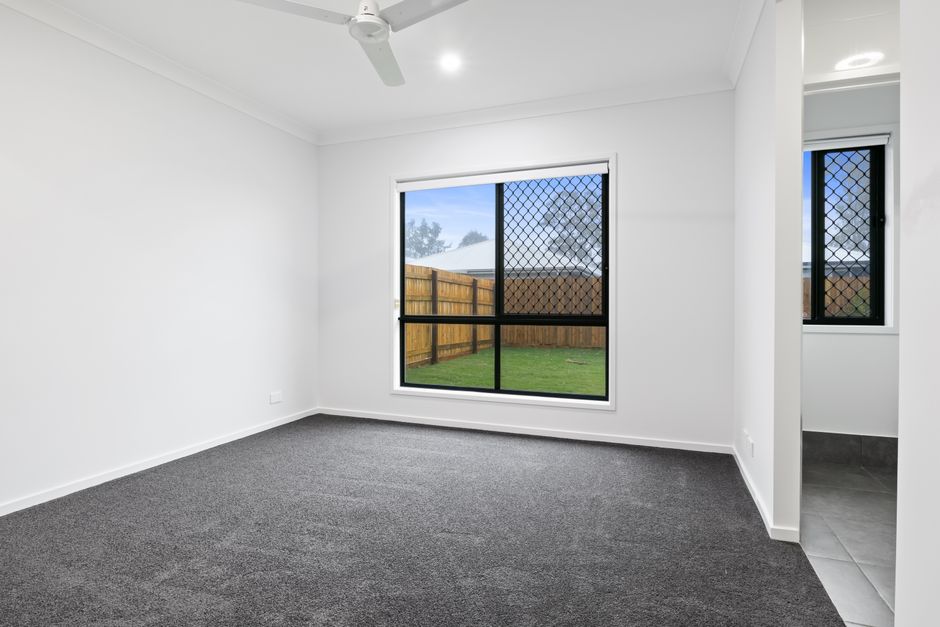
Creekmouth Estate Carpet Cleaning Guide for River Road Homes
If you live on River Road and the carpets in your home are starting to look tired, this guide is for you. The Creekmouth estate carpet cleaning guide for River Road homes explains what actually works, what to avoid, and how to get cleaner, fresher carpets without making a simple job harder than it needs to be. Truth be told, most carpet problems begin quietly: a muddy footprint near the hallway, a drink spill in the lounge, a bit of pet traffic by the sofa. Then one day you notice the room just feels less fresh. This article walks you through the cleaning process, the best methods for different carpet types, and the practical decisions that matter most for local homes.
Along the way, you'll find tips for stain removal, drying times, and maintenance between professional cleans, plus a clear checklist and a realistic comparison of cleaning options. If you want a deeper look at professional service standards, it can also help to review the site's carpet cleaning service information and the notes on steam carpet cleaning before you book anything.
Table of Contents
- Why this guide matters for River Road homes
- How the cleaning process works
- Key benefits and practical advantages
- Who this is for and when it makes sense
- Step-by-step guidance
- Expert tips for better results
- Common mistakes to avoid
- Tools, resources and recommendations
- Law, compliance, standards and best practice
- Options, methods and comparison table
- Case study or real-world example
- Practical checklist
- Conclusion
- Frequently asked questions
Why Creekmouth estate carpet cleaning guide for River Road homes Matters
River Road homes, like many homes in Creekmouth, often deal with a mix of everyday wear that builds up faster than people expect. Hallways carry grit from outside. Living rooms collect dust, crumbs, pet hair, and the occasional mystery mark. Bedrooms can look fine at first glance but still hold odours and settled dust deep in the pile. You may not notice it day to day, but carpets quietly shape how a home feels. Clean carpet changes the whole room. It looks brighter, smells better, and usually feels softer underfoot too.
This matters for a few practical reasons. First, dirt trapped in carpet fibres acts a bit like sandpaper. Over time, that can wear the pile down and make the carpet look older than it is. Second, spills left too long can become stubborn stains or odours, especially in warmer rooms or homes with children and pets. And third, there is the basic comfort factor. Let's face it, nobody wants to curl up on the sofa while the floor carries yesterday's muddy footprints.
For River Road households, the value is not just cosmetic. It is about keeping busy family spaces manageable. A good carpet care routine reduces the need for heavy intervention later, which is always easier on the wallet and, frankly, easier on your patience.
A useful way to think about this guide is as a decision tool. Not every carpet needs the same treatment. Some homes only need a maintenance clean, while others need stain-focused work, deodorising, or deep steam extraction. If you are comparing service levels, the site's pricing and quotes information can help you understand how professional work is usually approached, without guessing at costs.
How Creekmouth estate carpet cleaning guide for River Road homes Works
Carpet cleaning sounds simple enough, but the real process is a mix of assessment, soil removal, stain treatment, cleaning, extraction, and drying. The right method depends on the fibres, the backing, the amount of soiling, and whether you are dealing with spots, odours, or general refreshment.
In a typical River Road home, the work starts with a close look at the carpet. A cleaner will normally check for fibre type, existing wear, and any problem areas such as spill marks, pet traffic, or flattened sections in walkways. That first look matters more than people think. Cleaning the wrong way can make some stains worse or leave a carpet damp for too long.
Most professional systems break down roughly like this:
- Inspection: identifying fibre type, staining, wear, and any delicate areas.
- Pre-treatment: applying suitable solutions to loosen soil and target marks.
- Agitation: working the treatment into the fibres so it can lift trapped dirt.
- Extraction or rinse: removing suspended soil and residues from the carpet.
- Drying: allowing airflow and time for the carpet to return to normal use.
Steam carpet cleaning is often used for deeper restoration because hot water extraction can pull out embedded dirt effectively when handled properly. That said, not every carpet needs a full deep clean. A low-moisture approach may be better for certain delicate fibres or for homes that need quicker turnaround. If you are also dealing with upholstery or furniture nearby, it can make sense to look at upholstery cleaning at the same time, so the room feels fully refreshed rather than half-done.
Pet-related issues are another common one. A muddy paw print is one thing. A repeated pet odour in the same corner is another. For those situations, the targeted pet stain and odour removal service is often a better fit than standard cleaning alone.
Key Benefits and Practical Advantages
The benefits of proper carpet cleaning are easy to list, but the real-world value is in the small improvements you notice day after day. A clean carpet makes a room feel more settled. It can also make vacuuming easier because the fibres are not holding as much dust and grit in the first place.
Here are the main advantages River Road homeowners usually care about:
- Improved appearance: colours look clearer and traffic lanes are less obvious.
- Fresher indoor feel: odours from pets, spills, and general use are reduced.
- Better maintenance: regular care can help carpets last longer.
- More comfortable living spaces: carpets feel cleaner underfoot and look more inviting.
- Less visible wear: removing grit helps reduce abrasion on the pile.
There is also a practical time benefit. People often spend hours scrubbing a stain that a proper pre-treatment would have broken down more efficiently. A skilled cleaner knows which marks can be improved, which ones can only be reduced, and which need gentle handling to avoid damage. That honesty is useful. Better to know upfront than to scrub for twenty minutes and make a watermark, which happens more often than anyone admits.
For homes with rugs in the same living area, the cleaner may suggest a separate approach. Area rugs can react differently from fitted carpet, especially if they are wool, synthetic blend, or decorative pieces. In those cases, rug cleaning can be the smarter route.
Who This Is For and When It Makes Sense
This guide is for River Road residents who want a cleaner home without guesswork. It suits families, renters, homeowners, landlords, and anyone preparing a property for guests, sale, or end-of-tenancy inspection. If your carpet has not been professionally cleaned in a while, or if vacuuming no longer makes it look fresh, you are probably already in the right place.
It makes especially good sense if you notice any of the following:
- heavy traffic through hallways or stairs
- food and drink spills in living rooms
- pet hairs, smells, or tracked-in mud
- allergy-sensitive household members
- flattened patches or dull-looking fibres
- an upcoming move, event, or property viewing
Commercial spaces nearby have similar issues, only faster and often with more footfall. If you are reading this as a landlord or small business owner in the wider area, the site's commercial carpet cleaning page is worth comparing because the expectations and scheduling needs are different.
For domestic homes, the biggest question is usually timing. Do you book when the carpet looks bad, or before? Ideally before. That sounds obvious, but many people wait until a stain has settled or the carpet has lost its bounce. Prevention is cheaper than rescue. Almost every time.
Step-by-Step Guidance
If you want a clear process rather than vague advice, use this sequence. It works well for most River Road homes and keeps the job sensible.
- Assess the carpet honestly. Look for traffic wear, stains, odours, and any delicate areas such as wool loops or loose edges.
- Vacuum thoroughly. Dry soil should be removed before any wet cleaning. Otherwise, you are just turning grit into paste.
- Test spot treatments carefully. Try any solution in a hidden area first, especially on older carpets or mixed fibres.
- Pre-treat stains. Use the right method for the mark, whether that is food, drink, mud, grease, or pet-related soil.
- Clean the full carpet. Do not only chase stains. A full clean blends the result and avoids patchy appearance.
- Extract moisture properly. The less residue left behind, the better the finish and the faster the drying.
- Allow airflow. Open windows where practical and keep foot traffic light until fully dry.
- Protect the result. Reintroduce furniture only when dry, and use felt pads or careful placement if needed.
For homes with sofas, dining chairs, or fabric headboards in the same room, cleaning the carpet alone can leave the space feeling uneven. It may be worth pairing the visit with sofa cleaning or, in quieter bedrooms, mattress cleaning. A full-room refresh is often more satisfying than treating one surface in isolation.
One small but useful point: avoid over-wetting. Damp carpets can develop a musty smell if drying is slow, especially in cooler months. On a grey afternoon, with windows barely open, drying can feel slower than expected. Plan for that. It saves hassle later.
Expert Tips for Better Results
A few practical habits make a big difference, and these are the details people often skip.
- Treat spills quickly, but gently. Blot first. Rubbing usually spreads the stain and roughs up the pile.
- Work from the outside in. This helps avoid creating a larger mark than the original spill.
- Use the least aggressive method first. Stronger methods can follow if needed. Not the other way around.
- Keep a consistent maintenance routine. Regular vacuuming and occasional spot care prevent bigger problems.
- Ask about drying time before booking. It matters if you have a busy household or limited ventilation.
To be fair, many carpet issues are not dramatic. They are just annoying. A faint coffee shadow. A dark path from the hallway to the kitchen. The little crunch you hear underfoot when grit has settled in. Those are the signs that tell you the carpet needs more than a quick run of the vacuum.
If you are also cleaning curtains or drapes as part of a room refresh, the service list includes curtain cleaning, which can help eliminate dust that would otherwise settle back into the room. That is a nice touch if you want the whole space to feel genuinely clean, not just technically cleaned.
Common Mistakes to Avoid
Most carpet damage comes from enthusiasm, not neglect. People try hard, use too much product, and then wonder why the stain looks worse afterward. Happens all the time.
- Using too much detergent: residue attracts soil and can leave a sticky finish.
- Scrubbing aggressively: this can distort fibres and spread stains.
- Skipping pre-vacuuming: dry dirt blocks cleaning solutions from working properly.
- Cleaning only the visible stain: that often creates a halo or patchy result.
- Ignoring drying: putting furniture back too soon can leave dents or transfer colour.
- Using random products on unknown fibres: some carpets need gentler treatment than others.
Another common issue is underestimating stubborn stains. Ink, grease, old food marks, and pet odours behave differently. A general cleaner may improve them, but not fully remove them. For targeted treatment, a dedicated stain removal approach is usually the safer bet.
And yes, homemade fixes can help in a pinch. But if you are already on your third spray bottle and the patch is getting larger, that is usually the moment to stop. No shame in that.
Tools, Resources and Recommendations
You do not need a huge toolkit to look after carpets properly, but a few sensible items make life easier. For home maintenance, a good vacuum cleaner with adjustable settings is still the first line of defence. A soft brush attachment, white microfibre cloths, and a bowl of plain water for dilution are also useful.
For more serious cleaning, the choice usually comes down to method rather than brand. Here is a simple way to think about the options:
| Method | Best for | Pros | Watch-outs |
|---|---|---|---|
| Vacuuming and spot care | Routine upkeep | Quick, low cost, easy to repeat | Will not remove deep soil or old stains |
| Low-moisture cleaning | Light refresh and quicker drying | Good for busy homes and delicate situations | May not suit heavy contamination |
| Steam or hot water extraction | Deep cleaning and embedded dirt | Strong on soil removal and refresh | Needs careful drying and correct fibre matching |
| Targeted stain treatment | Specific spots and problem marks | Focused and efficient | Not always enough on its own |
If you want a better sense of the wider service approach, the site also explains health and safety practice and insurance and safety, both of which matter when equipment, moisture, and household access are involved. Not thrilling reading, perhaps, but useful all the same.
Law, Compliance, Standards and Best Practice
For homeowners, the legal side of carpet cleaning is usually straightforward, but good practice still matters. Anyone carrying out cleaning work in a home should take care around electrics, avoid causing slips, and use products responsibly. If you are employing a service provider, it is sensible to check that they have appropriate insurance, clear safety practices, and transparent terms. That is just normal caution, not overthinking.
Where fabrics, slips, or chemical exposure are concerned, the safest path is to follow the manufacturer's care guidance where available and use professional judgement when it is not. In the UK, responsible cleaning practice generally means:
- testing products before widespread use
- protecting floors and nearby surfaces
- keeping walkways clear while drying
- avoiding unsuitable chemicals on delicate fibres
- disclosing known damage, wear, or previous treatment
It also helps to understand service terms before agreeing to work. The pages on terms and conditions and payment and security are useful because they set expectations around booking, payment, and service delivery. If something matters to you, ask about it upfront. That is the simplest way to avoid awkward surprises.
For households that care about environmental impact, you may also want to review the approach to recycling and sustainability. Not every cleaning job creates much waste, but product choice, water use, and disposal habits still count. Small things, but real ones.
Options, Methods, or Comparison Table
Choosing a carpet cleaning method is easier when you compare it against your actual needs rather than against marketing language. A deep clean sounds good, sure, but if your problem is a light refresh before visitors arrive, you may not need the most intensive option.
| Scenario | Recommended approach | Why it fits |
|---|---|---|
| Everyday family traffic | Routine vacuuming plus periodic professional cleaning | Balances cost, appearance, and fibre care |
| Old spill or stain problem | Targeted stain treatment before full cleaning | Addresses the mark without overworking the whole carpet |
| Pet odour in one area | Odour-focused treatment and extraction | Deals with the source rather than masking it |
| Move-out or viewing prep | Deep clean with attention to edges and traffic lanes | Improves first impressions and overall presentation |
| Mixed soft furnishings in one room | Combine carpet and upholstery care | Creates a more even finish across the space |
In many homes, the best result comes from combining services sensibly rather than buying the biggest package. Carpet, sofa, and rug care often belong in the same refresh cycle. The room feels coherent afterwards. That's the thing people notice.
Case Study or Real-World Example
Here is a realistic example from the kind of situation River Road homes often face. A family notices their front room carpet has gone dull near the entrance and along the path to the sofa. There are two old drink marks, a darker strip through the middle, and a faint smell that appears after the heating is on. Nothing dramatic. Just enough to bug them every time they sit down.
The first step is not to attack the marks individually. Instead, the carpet is inspected, vacuumed, and pre-treated in the traffic areas. The older drink spots receive separate attention because they are likely to respond differently from the general soil. The rest of the room is cleaned evenly so the carpet does not end up patchy. After extraction, windows are opened and the room is left to dry with decent airflow. Furniture goes back only when the fibres are dry to the touch.
The result is usually better than people expect. Not brand new, because that would be unrealistic, but visibly fresher and more comfortable. You can see the pile again. The room smells cleaner. The dark lane is reduced. And that annoying sense of "this room needs something" finally fades a bit.
If the same household also has a heavily used sofa or occasional stain-prone seating, pairing the work with sofa cleaning can make the room feel properly reset rather than only half refreshed.
Practical Checklist
Use this checklist before, during, and after carpet cleaning. It keeps the process simple and saves a surprising amount of hassle.
- Vacuum the entire carpet before any wet cleaning.
- Identify stains, odours, and high-traffic areas in advance.
- Test cleaning products on a hidden patch first.
- Avoid soaking the carpet.
- Keep children and pets away from the area while it dries.
- Open windows or improve airflow where possible.
- Do not replace heavy furniture until the carpet is dry.
- Use targeted treatment for stubborn spots instead of repeated scrubbing.
- Consider rug, curtain, sofa, or upholstery cleaning if the room needs a full refresh.
- Review service details, pricing, and terms before booking.
A small reminder: cleaning is not only about making things look better for the moment. It is also about preserving the carpet so you do not need to replace it sooner than necessary. That long view matters, especially in family homes where the floor takes a lot of daily pressure.
Conclusion
The Creekmouth estate carpet cleaning guide for River Road homes is really about making good decisions with the space you already have. Clean carpets improve the feel of a room, reduce lingering smells, and help your home look cared for without endless effort. The key is matching the method to the problem: routine maintenance for everyday wear, targeted treatment for stains, and deeper cleaning when the fibres need a proper reset.
Do the simple things well, avoid over-wetting, and do not be afraid to get professional help when a stain or odour is beyond a quick fix. That is not overdoing it. It is just sensible home care.
Get a free quote today and see how much you can save.
And if you take only one thing from this guide, let it be this: a well-kept carpet makes the whole home feel calmer, warmer, and a bit more yours.
Frequently Asked Questions
How often should River Road homes get carpets professionally cleaned?
That depends on foot traffic, pets, children, and whether anyone in the home is sensitive to dust. Many households book a professional clean when the carpet starts looking dull or after a significant spill, while busier homes may need it more regularly.
Is steam carpet cleaning suitable for every carpet?
No, not automatically. Steam or hot water extraction works well for many carpets, but some delicate fibres or older materials may need a gentler method. A good cleaner will assess the carpet first rather than guessing.
Can carpet cleaning remove old stains completely?
Sometimes, but not always. Fresh stains are usually easier to treat than old, set-in marks. The goal is often improvement rather than a guaranteed perfect result, especially with dyes, grease, or long-standing spills.
What should I do before a carpet cleaner arrives?
Vacuum the carpet, move small breakables, and point out problem areas such as stains or odours. If pets are nervous or curious, it helps to keep them in another room. Simple preparation makes the job smoother.
How long does a carpet usually take to dry?
Drying time varies depending on method, fibre type, room temperature, and ventilation. Lighter cleaning methods usually dry faster, while deep extraction needs more time. Airflow makes a real difference, especially in cooler weather.
Will carpet cleaning get rid of pet smells?
It can help a lot, especially when the odour is in the fibres rather than deep in the underlay. However, strong or repeated pet smells may need targeted odour treatment, not just a standard clean.
Is professional carpet cleaning worth it for a small flat?
Often, yes. Even in smaller homes, carpets collect dust, foot traffic soil, and spills. A proper clean can make a compact space feel much fresher, and the difference is usually very noticeable.
Can I clean wool carpets the same way as synthetic ones?
Not quite. Wool often needs more careful handling, gentler chemistry, and tighter control of moisture. Synthetic carpets are usually more forgiving, but they still need the right method. Always treat fibre type seriously.
What are the signs that my carpet needs more than vacuuming?
If traffic lanes look darker, spills remain visible after normal cleaning, odours linger, or the carpet feels flat and gritty, it probably needs a deeper clean. Once vacuuming stops making much difference, that is the clue.
Should I clean the carpet or the sofa first in a living room?
Either can work, but many people clean them together so the room looks balanced. If the sofa holds the stronger odour or the most visible dirt, start there. If the carpet is the main issue, deal with that first and then refresh the seating.
Are there safety or insurance checks I should ask about?
Yes. It is sensible to ask about insurance, safety practice, and how products are used in the home. Those details show a cleaner takes both the property and the household seriously.
Where can I learn more about related cleaning services?
If you are planning a broader refresh, the most relevant supporting pages are stain removal, rug cleaning, upholstery cleaning, and curtain cleaning. They help you decide what to tackle together.