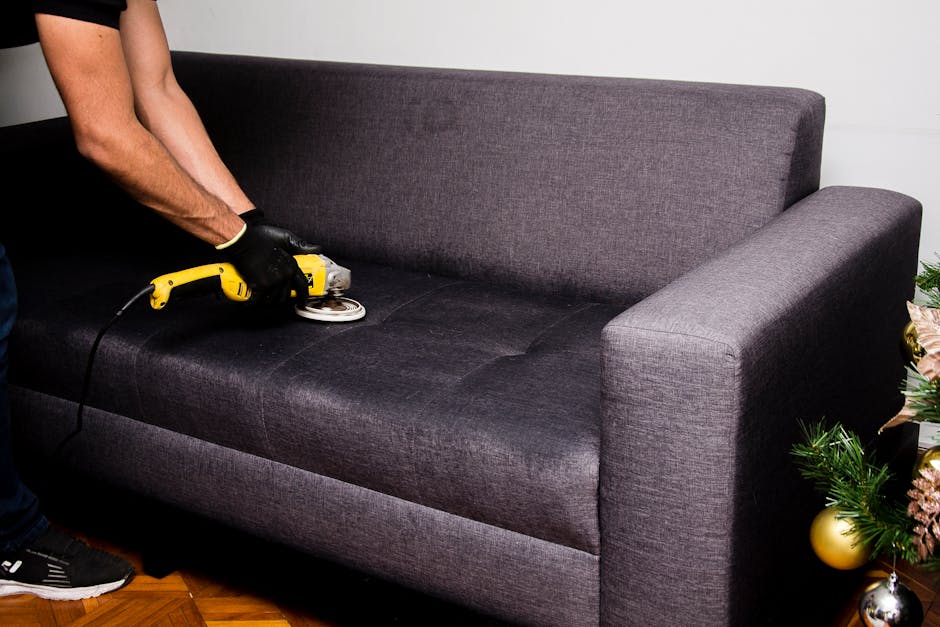
Barking Creek sofa cleaning tips for Creekmouth waterfront flats

If you live in one of the Creekmouth waterfront flats, you already know the air can feel a bit different here. A little damp, a little salty, sometimes a touch of harbour grit drifting in on an open window. That mix is lovely in its own way, but it is not always kind to upholstery. These Barking Creek sofa cleaning tips for Creekmouth waterfront flats are written for exactly that reality: everyday sofa care that works in a marine-influenced, compact flat, without turning your living room into a science lab.
Maybe your sofa picks up a faint musty smell after a rainy week. Maybe pet hair seems to cling more than it should. Or perhaps a takeaway spill has settled into the armrest and now it is quietly irritating you every time you sit down. Either way, you will find practical, no-nonsense guidance here: how to clean safely, what products to use, what to avoid, and when it makes sense to call in a professional upholstery clean.
Why Barking Creek sofa cleaning tips for Creekmouth waterfront flats matters
Waterfront living brings a few housekeeping quirks that inland flats do not always face. The obvious ones are moisture and airflow. Less obvious is the way soft furnishings hold onto smells, dust, and fine particles when windows stay shut for weather, or open for fresh air that is not quite as fresh as you hoped. Sofas are usually the biggest fabric surface in the flat, so they become the place where all of that settles first.
In practice, this means upholstery can look dull sooner, smell "closed in" after wet weather, and develop small stains that become stubborn if you leave them too long. You may also notice more build-up on cushions near balcony doors or windowsills. It is a small thing, but it adds up. And let's face it, nobody wants a nice flat to feel slightly tired just because the sofa is hanging onto last Tuesday.
Regular sofa care matters for appearance, comfort, and hygiene. It also helps protect fabrics from premature wear. With the right routine, you can keep the upholstery looking smarter for longer and reduce the chance of needing deep intervention later. If you are already looking at broader fabric care, the same principles often apply across professional upholstery cleaning, curtains, and even rugs, especially in homes where moisture and everyday living collide a bit more than usual.
Expert summary: In Creekmouth waterfront flats, the smartest sofa-cleaning strategy is usually not "clean harder"; it is "clean earlier, dry properly, and ventilate well." That is the real trick.
How Barking Creek sofa cleaning tips for Creekmouth waterfront flats works
A good sofa-cleaning routine starts with identifying the fabric and the type of soil on it. That sounds formal, but it is simple enough. A dry dusty sofa needs one approach; a greasy armrest or a drink spill needs another. If you use the wrong method, you can push the stain deeper or leave a water mark behind. On some fabrics, too much moisture can also cause shrinkage, texture changes, or visible rings. Not ideal.
Most safe sofa cleaning follows a basic sequence: remove loose dirt, test any cleaning solution in a hidden spot, treat stains gently, rinse or blot residues, and dry the fabric thoroughly. Waterfront flats benefit from extra attention to drying because humidity slows evaporation. You may need a fan, open windows for a short burst, or both. The point is to avoid letting the sofa stay damp for hours on end.
Different materials behave differently. Microfibre tends to respond well to light cleaning and careful brushing. Cotton blends can look cleaner quickly, but they may also show water marks. Velvet and delicate woven fabrics need more caution. Leather is a separate case altogether. If you are unsure, check the manufacturer's care label and err on the side of gentle cleaning rather than drama. Sofas are resilient, yes, but not immortal.
For tougher odours or deep-set grime, a machine-assisted clean may be the better option. This is where a service such as sofa cleaning can make sense, especially if you want a controlled process with proper extraction and fabric-aware methods rather than a guess-and-hope approach.
Key Benefits and Practical Advantages
There are a few clear wins when you keep on top of sofa cleaning in a waterfront flat.
- Better indoor freshness: Sofas do not hold onto damp smells, cooking odours, and pet scents as easily.
- Longer fabric life: Dirt particles act like sandpaper over time, so removing them helps the upholstery last longer.
- Improved appearance: Colours look brighter and the fabric sits more evenly, which makes the room feel tidier.
- Fewer stain emergencies: Small spill care becomes easier when the fabric is already maintained.
- Better comfort: A clean sofa feels nicer to use, full stop.
There is also a practical benefit for flats with limited ventilation. In smaller spaces, smells and moisture linger more readily. A sofa that is regularly vacuumed and spot-cleaned is far less likely to become the thing that makes the whole room feel stale on a wet Monday morning.
If your sofa is part of a wider furnishing refresh, pairing care with related services can help. Curtains, for example, can trap the same airborne dust and odours that settle on soft seating, which is why some people look at curtain cleaning around the same time. It is not mandatory, but the whole room tends to benefit when soft furnishings are treated as one system rather than separate jobs.
Who This Is For and When It Makes Sense
These tips are especially useful if you live in a Creekmouth waterfront flat and any of the following sound familiar:
- you keep windows shut for much of the week because of weather or noise;
- you notice a slight damp or musty smell after heavy rain;
- you have pets that shed hair or bring in a bit of outdoor grime;
- you eat or drink on the sofa more often than you planned to;
- your sofa is light-coloured and seems to show marks quickly;
- you want to stretch the life of a good-quality sofa instead of replacing it early.
This is also relevant if you are renting. A clean, well-kept sofa helps the flat feel more presentable for inspections, guests, or the simple daily pleasure of having a room that does not smell vaguely of yesterday. Truth be told, that matters more than many people admit.
If you manage a furnished rental or short-let near Barking Creek, fabric upkeep becomes even more important because more people use the furniture, often with different habits and different spill risks. In that setting, periodic professional cleaning is usually more sensible than trying to stay ahead with household sprays alone.
Step-by-Step Guidance
Here is a practical routine you can follow without special equipment.
1. Check the care label first
Look for the manufacturer's cleaning code or care guidance. This tells you whether the fabric is suitable for water-based cleaning, solvent-based cleaning, or only professional treatment. If the label is missing, treat the fabric cautiously. It is better to go gently than to chase a stain and create a bigger one. That happens, more often than people think.
2. Vacuum thoroughly
Use an upholstery attachment and get into the seams, the creases, under the cushions, and around the base. Waterfront flats often collect fine dust from open windows, shoes, and everyday air movement. Vacuuming first stops loose debris from turning into mud once you apply any moisture.
3. Remove cushions and tackle hidden areas
Take off loose cushions if possible and clean where crumbs and dust hide. You will usually find the neglected stuff there: a biscuit edge, pet hair, a forgotten mint, maybe a coin that has been missing since spring. It is not glamorous, but it matters.
4. Spot-test a cleaning solution
Mix a mild upholstery-safe cleaner or a little dish soap with water, then test it on an unseen area. Wait for it to dry. If the colour changes, the texture roughens, or a ring appears, stop and choose another method. No shame in that. Some fabrics are simply fussy.
5. Treat stains lightly
Blot, do not scrub. Start from the outside edge of the stain and work inward. Use a clean white cloth so you can see what is coming off the fabric. For greasy spots, a tiny amount of upholstery cleaner may help. For drink spills, a mild solution and gentle blotting is usually enough if you act quickly. For pet-related issues, use a product suited to odour removal rather than just masking the smell; if needed, the dedicated pet stain and odour removal service is the more sensible route.
6. Rinse or wipe away residue
Residue left behind can attract dirt again. Use a lightly damp cloth to lift excess cleaner, but do not soak the fabric. This is especially important in humid flats, where extra moisture takes longer to disappear.
7. Dry the sofa properly
Open windows briefly if weather allows, use a fan, and avoid sitting on the sofa until it is fully dry. In winter, drying can be slower than expected. In summer, it may be quicker, but only if the room airflow is decent. If the fabric still feels cool or slightly clammy, give it more time.
8. Finish by brushing or fluffing the pile
For fabric sofas, a soft brush can restore the nap and make the upholstery look more even. This small final step makes a surprising difference. It is one of those things you notice without quite knowing why.
Expert Tips for Better Results
These are the little habits that make sofa cleaning easier in the long run.
- Vacuum weekly, not monthly. Waterfront dust and everyday particles build up faster than you expect.
- Use the least moisture possible. A damp cloth is often enough for routine marks.
- Keep a clean white towel handy. It is better than coloured cloths that may transfer dye.
- Deal with spills quickly. Fresh stains are far easier to lift than dried ones.
- Rotate cushions. It evens out wear and helps the sofa age more gracefully.
- Watch for salt-air grit. If you live very close to open water or a busy riverside path, tiny abrasive particles can work their way into fibres.
A small but useful tip: if the room smells a bit heavy after cleaning, do not pile on fragrance sprays. That usually just creates a confusing mix of smells, and honestly, nobody asked for "ocean breeze over wet upholstery." Better ventilation and proper drying do the job far more cleanly.
If your sofa is part of a broader soft-furnishing tidy-up, you might also consider rug cleaning so the floor textiles are not holding onto the same dust and moisture. The room often feels fresher as a whole when fabrics are cleaned together.
Common Mistakes to Avoid
Most sofa damage comes from impatience. Fair enough, stains are annoying. But rushing usually causes the bigger problem.
- Scrubbing hard: This can fray fibres and spread the stain wider.
- Using too much water: Damp padding underneath the fabric can stay wet for ages.
- Skipping the spot test: A tiny hidden patch would have saved a lot of regret.
- Ignoring the care label: Some fabrics really do need specialist handling.
- Using random household cleaners: Bleach, strong solvents, and anything abrasive can permanently change the fabric.
- Drying too slowly: A sofa that stays damp can develop a musty smell or water marks.
One common mistake in waterfront flats is leaving windows closed after a clean because you are worried about dust coming in. To be fair, that is understandable. But a little controlled airflow is usually better than trapping moisture indoors. Short bursts of ventilation are enough in many cases.
If you have a stubborn stain that keeps reappearing after drying, it may be wicking from deeper in the cushion. That is one of those annoying upholstery realities. You blot it once, it seems gone, then it reappears like it has a grudge. At that point, deeper extraction is often the answer.
Tools, Resources and Recommendations
You do not need a cupboard full of gadgets. A simple, sensible kit is usually best.
| Tool or product | Best use | Why it helps in waterfront flats |
|---|---|---|
| Upholstery vacuum attachment | Routine dust and crumb removal | Stops fine particles from settling into fabric fibres |
| Microfibre cloths | Blotting and gentle wiping | Useful for light spills without soaking the fabric |
| Soft upholstery brush | Restoring pile and lifting surface dust | Helps fabrics look fresher after cleaning |
| Mild upholstery-safe cleaner | Spot cleaning | Reduces risk of residue and fabric damage |
| Portable fan | Drying | Very useful when humidity slows evaporation |
If you are comparing do-it-yourself cleaning with professional help, think in terms of time, fabric type, and the seriousness of the stain. For general upkeep, household cleaning is often enough. For odours, large areas, delicate fabrics, or repeat staining, a specialist clean may save you hassle in the long run.
For readers weighing service options, it can help to look at the broader upholstery and fabric care pages too, including stain removal and carpet cleaning, because the same housekeeping mindset often applies across the flat.
Law, Compliance, Standards, or Best Practice
For most homeowners and tenants, sofa cleaning is mainly a matter of care and safety rather than regulation. Still, there are sensible standards worth following. In the UK, any cleaning approach should be safe for occupants, fabric, and surrounding furnishings. That means reading product instructions, keeping chemicals away from children and pets, and ensuring the room is ventilated during and after cleaning.
If you hire a professional cleaner, it is reasonable to expect them to work with appropriate insurance, clear pricing, and a health-and-safety approach that suits domestic properties. You can review a provider's approach through pages such as insurance and safety and health and safety policy, which are useful signs of how seriously a business treats the job.
It is also wise to understand the terms of service before booking. For example, check how the company handles access, cancellations, and payment details. The pages on terms and conditions, payment and security, and privacy policy are sensible places to look if you want to know how a business manages your booking and information.
And if a company claims a sustainability focus, that can matter in waterfront areas where people often care about runoff, waste, and product choice. A clear recycling and sustainability policy is not required for sofa cleaning itself, of course, but it does tell you something about the business's wider practices.
Options, Methods, or Comparison Table
Not every sofa needs the same treatment. Here is a simple comparison of the main approaches.
| Method | Best for | Pros | Watch-outs |
|---|---|---|---|
| Vacuuming and light spot cleaning | Routine maintenance | Fast, low cost, good for weekly care | Won't remove deep odours or embedded grime |
| DIY damp cleaning with mild solution | Fresh spills and small marks | Good control, inexpensive, quick when done properly | Risk of water marks if overused |
| Dry cleaning methods | Some delicate fabrics | Less moisture involved | Not suitable for every material and product choice matters |
| Professional upholstery cleaning | Deep soil, odour, larger flats, delicate fabrics | More thorough, fabric-aware, usually better drying control | Costs more than DIY and may need a booking window |
For many Creekmouth flats, the best approach is a combination: regular vacuuming, prompt spill care, and periodic professional cleaning when the sofa starts to look or smell tired. That mix is practical. It avoids the false choice between "do nothing" and "rip out the upholstery with enthusiasm."
Case Study or Real-World Example
Here is a realistic example from a typical waterfront flat setup. A couple living near Barking Creek had a fabric three-seater in the lounge, with the balcony door used often in milder weather. After a run of wet days, they noticed the sofa felt slightly stale and the seat nearest the window had picked up a faint grey tinge. Nothing dramatic. Just enough to be annoying.
They started with a deep vacuum, then removed the cushions and found dust and a few crumbs tucked under the seating base. One armrest had a tea mark, and a cushion edge had picked up pet hair. Rather than soaking the fabric, they spot-tested a mild cleaner on a hidden section, blotted the tea mark, and used a fan for drying. The result was decent, but the smell lingered a little because the room itself had become quite closed in during the damp spell.
After that, they changed the routine slightly. Weekly vacuuming. Faster spill response. Short ventilation bursts after cooking or rainy-day use. And when the sofa eventually needed a deeper refresh, they chose a more thorough clean rather than trying another round of home remedies. That small shift made the whole room feel lighter. Not perfect, just better. Which, in a real flat, is usually what you want.
If your own sofa has reached the point where cleaning is not enough, it may be worth looking at broader support such as upholstery cleaning alongside stain-focused treatment. The difference between "a bit tired" and "properly refreshed" is often smaller than people think once the right method is used.
Practical Checklist
Use this quick checklist before and after cleaning your sofa.
- Check the care label or manufacturer instructions.
- Vacuum all seams, under cushions, and along the base.
- Test any cleaner on a hidden area first.
- Blot spills gently instead of scrubbing.
- Use the smallest amount of moisture needed.
- Keep pets and children off the sofa while it dries.
- Ventilate the room in short, sensible bursts.
- Brush the fabric lightly once dry, if appropriate.
- Deal with repeated odours or stains before they settle in.
- Book a deeper clean if the sofa still looks dull or smells musty.
Quick takeaway: clean early, dry properly, and do not over-wet the fabric. That one habit alone solves a surprising number of sofa headaches in Creekmouth flats.
Get a free quote today and see how much you can save.
Conclusion
Good sofa care in a waterfront flat is not about obsessing over every mark. It is about building a simple routine that respects the realities of damp air, limited ventilation, and everyday life. Vacuum regularly, blot spills quickly, keep moisture under control, and pay attention to drying. Do that, and your sofa will usually stay fresher, cleaner, and far easier to live with.
When the job goes beyond a quick tidy, professional help can be a sensible next step, especially for delicate fabrics, stubborn stains, or odours that keep coming back. There is no trophy for suffering through a sofa that should have been cleaned three weeks ago. And honestly, your living room will thank you for dealing with it properly.
With the right approach, a Creekmouth waterfront flat can feel light, comfortable, and genuinely cared for - which is a lovely feeling on a grey afternoon, or any day really.
Frequently Asked Questions
How often should I clean my sofa in a Creekmouth waterfront flat?
For most homes, weekly vacuuming and immediate spill treatment are a good baseline. A deeper clean is often sensible every few months, or sooner if the sofa gets heavy use, pets, or frequent moisture exposure.
Why does my sofa smell musty after rainy weather?
Humidity can slow drying and make soft furnishings hold onto odours. If the room has limited airflow, fabric and cushion fillings may keep that damp smell longer than you expect.
Can I use steam on my sofa?
Sometimes, but only if the fabric is suitable and the care label allows it. Steam can be risky on delicate materials and may cause water marks or texture changes if used carelessly.
What is the safest way to remove a fresh drink spill?
Blot the spill immediately with a clean cloth, work from the outside inward, and avoid rubbing. Use a small amount of upholstery-safe cleaner only after spot-testing in a hidden area.
How do I stop water marks from forming?
Use as little liquid as possible, do not over-wet the fabric, and dry the area evenly with airflow. Rings usually appear when the fabric dries unevenly or too slowly.
Are shop-bought upholstery cleaners safe for all sofas?
No, not always. Some fabrics react badly to certain cleaners, so the care label matters. When in doubt, test first on a hidden patch or choose professional advice.
What should I do if my sofa has pet odour?
Clean the affected area promptly and use a treatment designed for odour removal rather than just fragrance masking. If the smell has soaked into cushions or padding, professional help is often the better choice.
Is professional sofa cleaning worth it for a flat near the water?
Often, yes. Waterfront flats can be more prone to damp-related smells and lingering grime, so a professional clean may be worthwhile for deeper freshness and better drying control.
Can I clean velvet upholstery myself?
Only with care, and only if the fabric guidance allows it. Velvet and similar textures can mark easily, so light vacuuming and very cautious spot treatment are usually the safest home steps.
What if the stain comes back after it dries?
That often means the stain has wicked up from deeper in the cushioning. It is frustrating, yes. In that case, a second careful treatment or a deeper extraction clean may be needed.
How do I keep my sofa fresher between deep cleans?
Vacuum weekly, rotate cushions, address spills quickly, and ventilate the room regularly. A simple routine beats occasional panic cleaning every time.
Where can I find more help with sofa and upholstery care?
You can explore related service pages such as sofa cleaning, upholstery cleaning, and stain removal to understand the options available for your home.